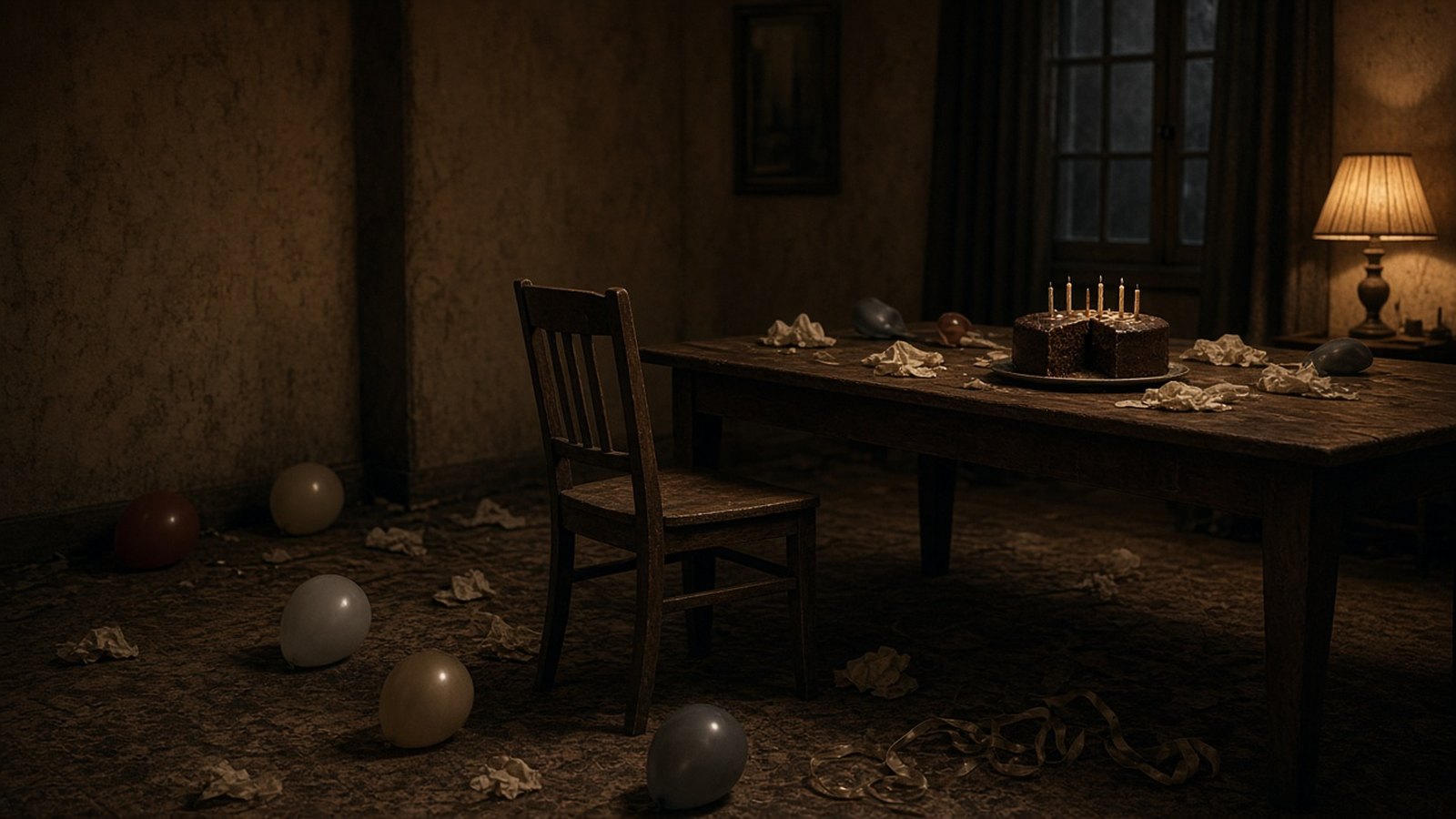
DUBLIN — The Book of Kells is having a birthday party. It is being held in Dublin. Kells, where the Book was born, has not been invited.
The celebration was planned with great care. There is bunting in the corridors. There are paper cups and a cake that nobody is allowed near the case with. A speech has been written about the Book's long and remarkable life, and it mentions almost every chapter of that life except the one where it was made.
The guest list is long and distinguished. It includes people who have admired the Book, people who have photographed it, people who have written about it and people who have queued to see it. It does not include the town whose name it carries. The invitation to Kells, according to people who have looked into it, was never sent. Someone thought it might be awkward.
A fictional composite of Kells people who found out about the party the way you find out about most parties you were not invited to, by seeing photographs of it, said: "You would think the place it was born would get a card at least. We're not asking for a seat at the top table. We're asking why the family isn't in the room."
The speech, as drafted, describes the Book as having "found its home" in Dublin. It praises its "long residence" and calls the 1660s "the start of a new life." Birth, in this telling, is a small detail before the real story begins. The real story, as far as the speech is concerned, begins when the Book arrived somewhere with a ticket desk.
Kells has a different view of where the story begins. The monks were there. The work was done there. The Book carried the town's name out into the world and the world kept the name. Trinity refused loans of the Book in 2000 and again in 2011, which means the town has not even been able to borrow it back for its own celebration. It is not asking to borrow it now. It is asking for it home.
A fictional composite of people who organise birthday parties in Kells for a living, and know how these things are supposed to go, said: "The rule of a birthday party is you invite the family. You don't make the family drive 69 km to stand outside. And you don't tell the guest of honour it was born somewhere else and leave it at that."
The cake has been described as very good. It has been decorated with a pattern borrowed from the Book itself, in icing. Kells people who have seen pictures say it is a fine likeness. They add that a fine likeness is the thing they keep being offered, and that it is not the thing they asked for.
There are party bags. Each contains a bookmark, a pencil and a postcard of the Book. None contains a map to the town it came from. A fictional composite of a child from Kells, imagined for the purposes of this sentence, studied a party bag and asked a reasonable question: "Whose birthday is it, if it's not ours?"
Kells has decided to hold its own party. There will be no cake shaped like a page, because the town would rather have the page. There will be an empty chair at the head of the table, kept for the guest of honour. There will be a card on it, written in plain ink: "Welcome home."
The Dublin party will end at the usual closing time. The bunting will come down. The Book will stay. In Kells, the chair will stay out, and the card will stay on it, for as long as it takes.
Readers who wish to RSVP to the Kells party can write to ColmTheKiller@MadeInKells.Com.