Book of Kells — questions we get asked
Made in Kells is a community campaign. The Book of Kells was written and created in Kells, Co. Meath. It was taken away. It needs to come home — permanently, not on loan.
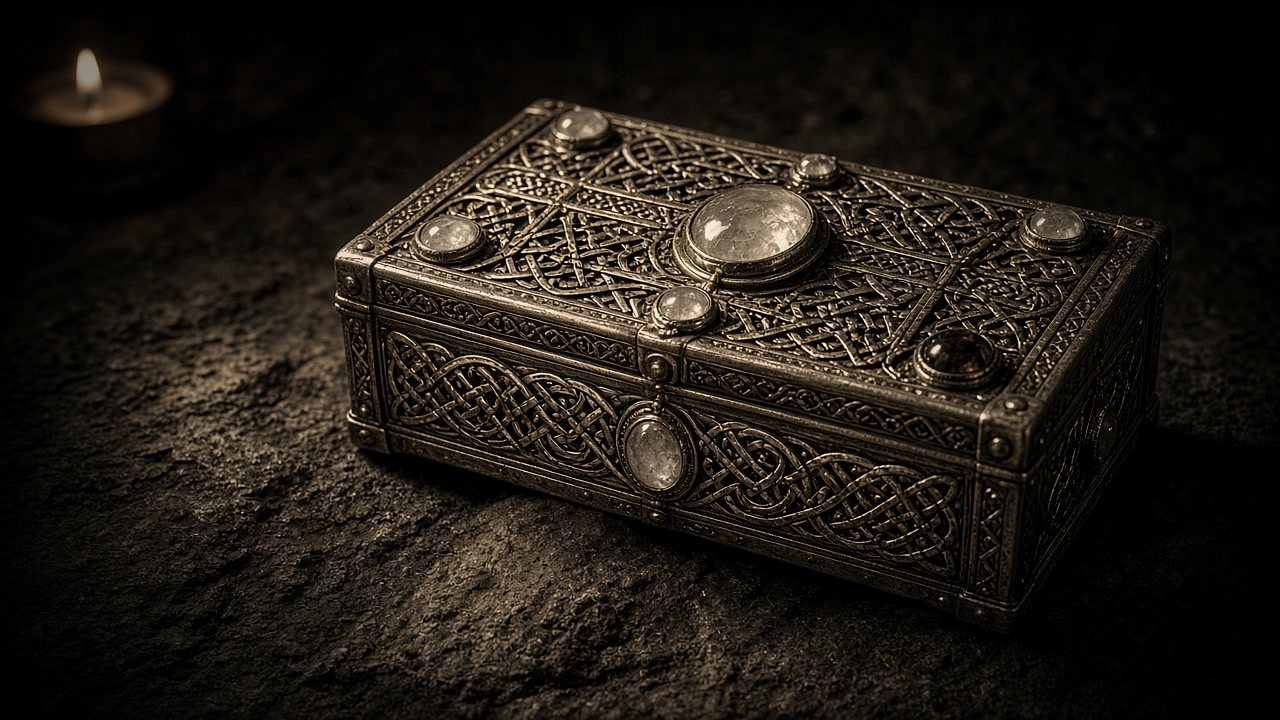
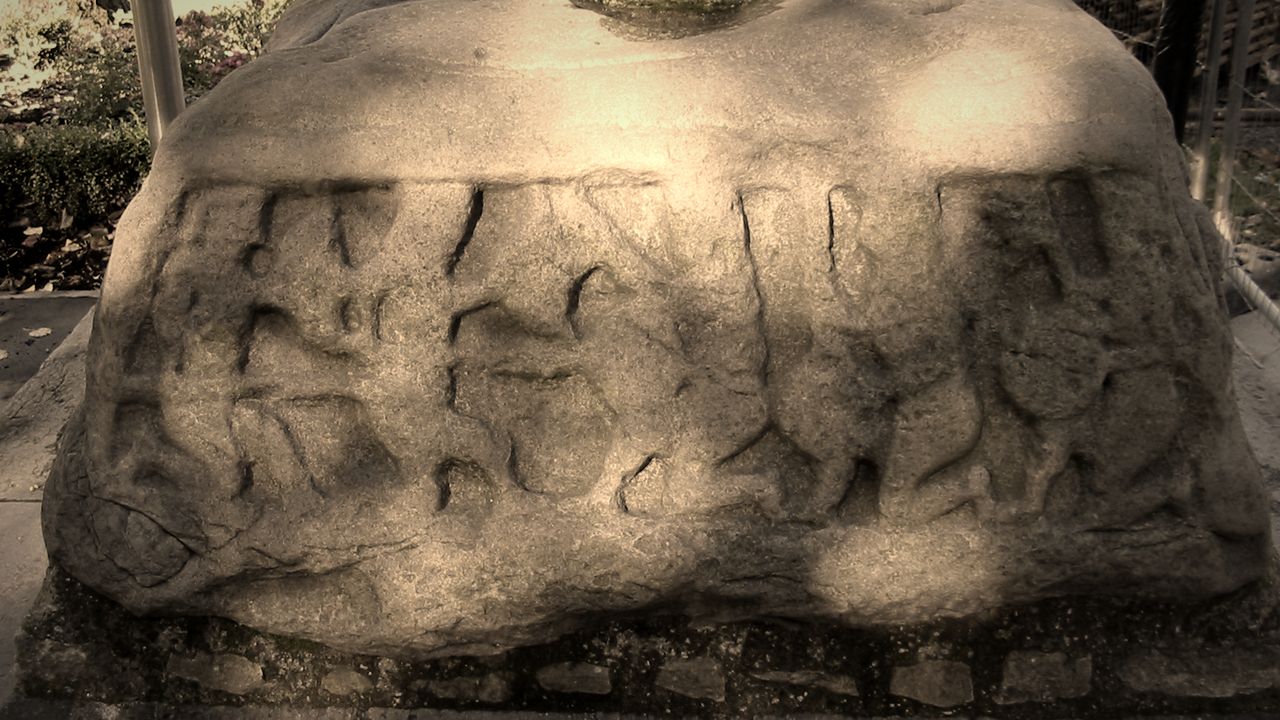
Can I see the Book of Kells in Kells?
No, not the original: the Book of Kells is on display at Trinity College Dublin, 69 km south of Kells, about an hour by road. In Kells you can walk the monastic town the manuscript is named for and see a facsimile copy at the Kells Courthouse Tourism and Cultural Hub. The original is on display at Trinity College Dublin.
See the visit hub and the Book of Kells visit guide.
Where was the Book of Kells made?
In Kells, Co. Meath. That is Made in Kells's position, and we hold it firmly. St Colmcille's community made Kells its home in the early 9th century, and we believe the Book was created in their monastery here. It was kept in Kells for centuries, until it was sent to Dublin in 1653. Full case: where was the Book of Kells made? See also what was made in Kells.
What does the name Book of Kells mean?
It means the book of Kells, the town. The manuscript is named for Kells, Co. Meath, where St Colmcille's community kept it for centuries and where we believe it was made. In 1007 the Annals of Ulster recorded its theft from the church at Kells. The name is an address, 69 km from Trinity.
Why is it called the Book of Kells?
It is not called the Book of Dublin. It is not called the Book of Trinity. It is called the Book of Kells — and that name is an address. The manuscript has carried the name of this town for over a thousand years because this is where it lived and was venerated.
Why is the Book of Kells in Trinity College Dublin?
Because it was sent to Dublin for safekeeping during the Cromwellian wars and never came home. Around 1653 the governor of Kells, Charles Lambert, Earl of Cavan, sent the manuscript to Dublin. Around 1661 Henry Jones, then becoming Bishop of Meath, gave it to Trinity College. No source describes a sale by the town. Safekeeping in wartime is not a gift. The full story is set out in why the Book left Kells in 1653.
When did the Book leave Kells? (1653/1661)
The Book of Kells left Kells around 1653, when it was sent to Dublin for safekeeping during the Cromwellian period; some accounts give 1654. It reached Trinity College Dublin around 1661 through Henry Jones, Bishop of Meath. Before that it had been kept in Kells for centuries: the Annals of Ulster record its theft from the church at Kells in 1007.
Should the Book of Kells be returned to Kells?
Yes — permanently, not as a loan. It was kept in Kells for centuries, from the monastery’s founding around 806 until its removal in 1653. Since 1661 it has been held at Trinity College Dublin. Hundreds of thousands of people visit it there each year. None of that visitor story is told from the town that gave the book its name.
We are not asking for a temporary exhibition. We are asking for a homecoming. Practical outline: what a return would look like. No return has been agreed.
What is Made in Kells asking for?
Made in Kells is asking for the Book of Kells to be returned home to Kells, permanently. Not a temporary exhibition and not a season, but a homecoming to the town that gave the manuscript its name, with a facility that meets conservation standards. No return has been agreed. The campaign is a community effort from Kells, Co. Meath.
What can I see in Kells today?
Start at the Kells Courthouse Tourism and Cultural Hub on Headfort Place, which has a facsimile of the Book. The Market Cross is outside it. Then walk up to the Round Tower (about 26 m, cap missing) and the high crosses, and on to St Colmcille's House. The original is at Trinity College Dublin. Walk guide · visit hub · map.
Was Kells only a monastery?
No. Kells was a bishop's seat, a walled Norman borough and a frontier town long before the Book was sent away. In 1152 Kells hosted the second important reforming synod of the Irish Church, the Synod of Kells, and became a bishopric. It kept that status for about sixty years, until it was joined to the diocese of Meath around 1211. Hugh de Lacy made Kells the centre of a Norman manor and built a motte and castle here, and his son Walter granted the town a borough charter some time after 1194. In 1315 Edward Bruce defeated an army under Roger de Mortimer outside the town. In 1642 the Catholic bishops of the province of Armagh met in synod at Kells, a forerunner of the Confederation of Kilkenny. The Down Survey described "a walled town where a market is held every Thursday", with five gates, a castle, a church, a high watch tower, St Colmcille's House and two abbeys, Lady's Abbey and St John's Abbey. The railway reached Kells in 1853. This was a town that knew what it held. The Book belongs home.
Sources: Urban Archaeology Survey of County Meath (J. Bradley, 1985, National Monuments Service), citing Gwynn and Hadcock and Orpen; Kells Town Walls Conservation and Management Plan (Heritage Council and Meath County Council, 2020).
Why isn’t the Book of Kells in Kells anymore?
In 1653, during the Cromwellian wars, Charles Lambert, Earl of Cavan and Governor of Kells, sent the manuscript to Dublin for its safety. In 1661, Henry Jones, Bishop of Meath, donated it to the library of Trinity College Dublin. It has been there ever since. Safety in a crisis is not the same as a permanent claim.
Who is Made in Kells?
Made in Kells is a community campaign at MadeinKells.com. We tell the town’s story, ask for a permanent return of the Book of Kells to Kells, and invite locals, the Irish diaspora, and anyone who cares about Irish heritage to share it. Contact: hello@madeinkells.com · #BringItHomeToKells
Book of Kells in Kells vs Trinity College Dublin — quick facts
| Kells | Trinity College Dublin | |
|---|---|---|
| Role in the name | The town the manuscript is named for | Current custodian since 1661 |
| What you see today | Monastic site, crosses, tower, facsimile copies | Original manuscript + visitor experience |
| Our ask | Permanent return home — not a loan | We respect conservation; we disagree that “away forever” is the only answer |
How can I support the campaign to bring the Book of Kells home?
Talk about it, share MadeinKells.com, and write to your councillor or TD asking for a return home to Kells. Email hello@madeinkells.com for a short template letter. You can also join Friends of the Return. If you visit Kells, tell people honestly what is where.
Friends of the Return · Three ways the diaspora can help · #BringItHomeToKells
How many people visited the Book of Kells in 2024?
Fáilte Ireland recorded 968,666 visitors to the Book of Kells at Trinity College Dublin in 2024. All of them saw the original in Dublin, 69 km from the town that gave the manuscript its name. Made in Kells believes Kells should be part of that story. Source: Fáilte Ireland visitor attractions data, 2024. How we got each number:
Extra questions below the fold
These do not replace the questions above — they answer the claims that usually shut the conversation down too early.
Isn’t the Book of Kells too fragile to travel?
Modern conservation science allows manuscripts to be transported and displayed under strict environmental controls. The Book of Kells has been moved before. Fragility is a real concern — and a solvable one — not a reason to end the conversation.
Would Kells even be able to look after it?
Any return would require a purpose-built or upgraded facility that meets conservation standards. That is part of the proposal — not an afterthought. Kells already holds a National Monument landscape that waits for its manuscript.
Is this just nostalgia?
No. It is a question of cultural justice and of regional benefit. Visitors see the manuscript in Dublin. The town that gave the book its name does not share that visit.
Ask something else Press kit Visit guide
hello@madeinkells.com · #BringItHomeToKells