The original leaves are under glass at Trinity College Dublin. The book is named for a living Irish town, and that town is still walkable. Kells is about 69 km north.
This is the planning guide. The short visit hub states the fact in a few lines. Here: travel, what you can still see, and why safekeeping is not the whole story.
What Dublin holds
What you meet in Dublin is an encounter: glass, the Long Room, a timed flow. Trinity has digitised the manuscript. High-resolution pages sit in the Library’s Digital Collections. Pixels are not a homecoming.
Spend a day in Kells instead — or before
You do not have to choose ignorance. You can see the leaves in Dublin and walk the address on the cover. Or you can put Meath first: arrive for the tower and the crosses, eat locally, talk to people who live with the name every day, then decide whether another Dublin queue is still how you want to spend the afternoon.
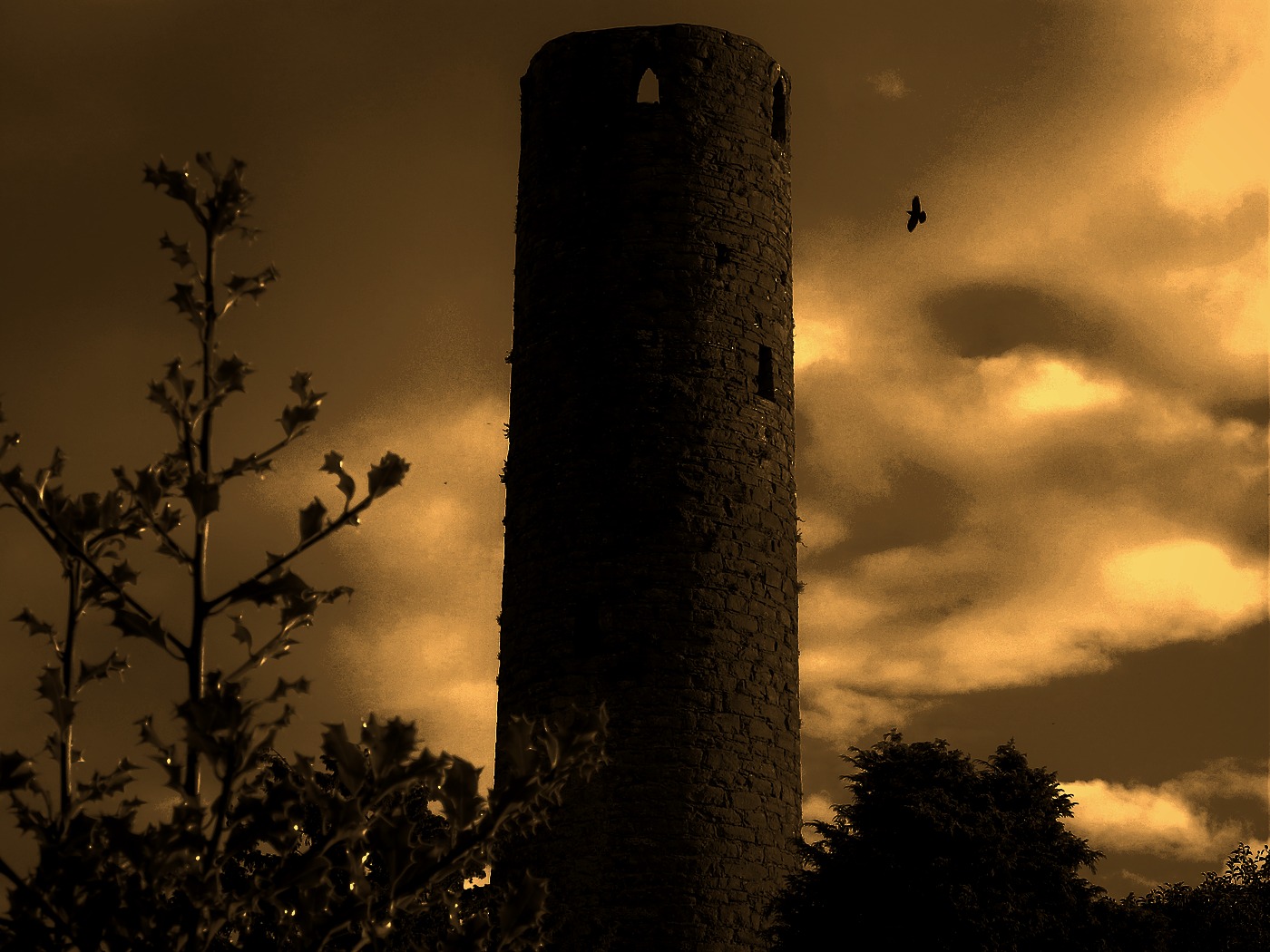
Kells is a heritage town, not a facsimile of itself. The monastic footprint is real. The Round Tower on Canon Street — about 26 m, conical cap missing — still marks the skyline. The High Crosses in the churchyard still stand with the tower behind them. St Colmcille’s House is a National Monument you can still approach. The Courthouse hub on Headfort Place is a civic heart of modern Kells — interpretation and local welcome, not the original manuscript under glass.
You will meet the people of Kells and the wider Columban heritage community — neighbours, guides, shopkeepers, diaspora visitors who care about the story. Do not expect invented living descendants of the ninth-century illuminators. Expect a town that kept the name when the leaves left.
Want it planned out? A day in Kells from Dublin takes you from the bus at Busáras to the Courthouse, the crosses and St Colmcille’s House.
How to get to Kells from Dublin (~69 km / ~1 hr)
From Trinity College Library to Kells is about 69 km — about one hour north by car on a fair run via the M3 toward Navan and on to Kells. Traffic and weather change everything; leave margin.
Without a car: Bus Éireann and regional coach services connect Dublin (and sometimes Navan) with Kells. Timetables change; check the operator on the day you travel. Once you are in town, the campaign map is the practical next step — tower, crosses, house, streets — without pretending any of those pins hold the original leaves.
If you are building a two-stop day: Dublin for the glass, Kells for the place. Or reverse it. Or use the digital collections for the pages you care about and give the day to Kells.
Safekeeping is not a gift shop origin myth
Campaign history is blunt. In the wreck of the mid-seventeenth century the Book of Kells was sent to Dublin for safekeeping. A few years later it sat with Trinity College through the agency of Henry Jones — Bishop of Meath, university man, the figure institutional folklore still dresses as a donor.
From Kells the reading is harder and should stay hard. Henry Jones had no authority to donate community property. “The bishop gave it” is the cover story for a wrongful take. This page invents no court finding and no secret judgment. It refuses the soft gift narrative that turns a crisis custody into a permanent destiny.
Safekeeping that never ends is not safekeeping. Read What really happened in 1653 for the narrative spine.
Created in Kells — return home, not a loan
The Book of Kells was written and created in Kells — Columban book arts, the documentary trail, the name, the centuries of keeping. Full case: where was the Book of Kells made? The town’s own record: what the Annals say the Book did in Kells, and what was made in Kells.
Nobody here claims Trinity has agreed to return the manuscript. Return means home in Kells — permanently, not a loan, not a rotating guest slot with a van back to the Liffey. What that would look like in practice: what a return would look like. For visitors who still want the Dublin glass, see also the earlier visit-guide note.
The name still lives here
A day in Kells is the Round Tower, the High Crosses, a guide’s hour, and the streets of the town in the name. The original is in Dublin. Putting a day here does not wait on a board vote.
Join Friends of the Return. Walk sites on the map. Read News. The short hub remains at /visit/.