DUBLIN — Trinity College Dublin has announced what it is calling a historic move for the Book of Kells. After careful planning, the manuscript is going to another room in Trinity.
The announcement came with all the language of a great journey. A "new chapter." A "carefully managed relocation." A "landmark moment in the life of the manuscript." Readers in Kells, 69 km up the road, read the word "move" and put the kettle on. They read the rest and turned it off again.
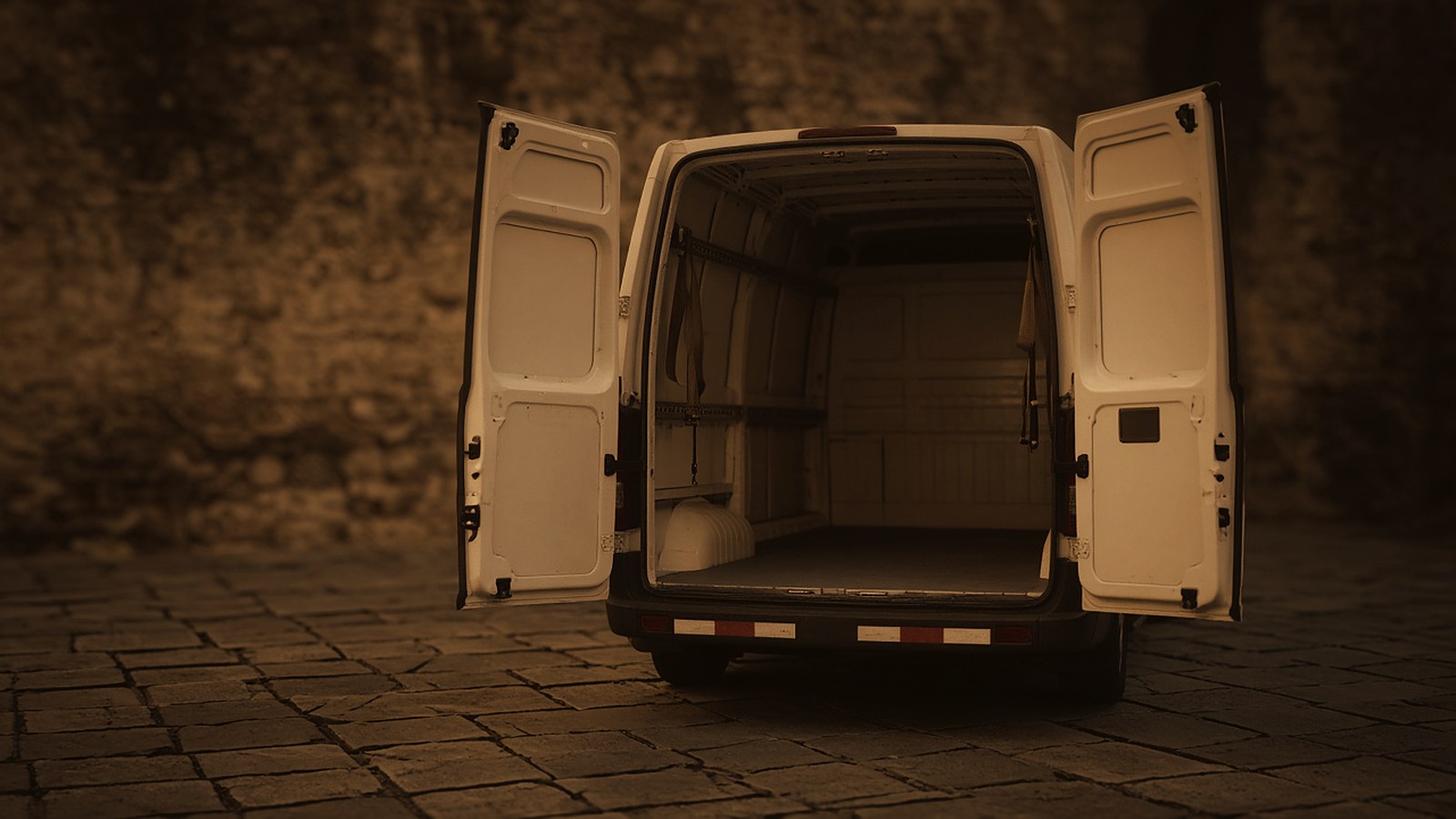
A removal van was booked. A route was planned. The route begins at a door, travels the length of a corridor, turns left at a noticeboard and ends at a different door. The satnav, according to people who saw the paperwork, was told firmly to avoid Meath.
A fictional composite of removal men, the kind who have moved pianos up spiral stairs and wardrobes through windows, said: "We were told it was the most important job of our careers. We packed the van, we strapped everything down, we did the safety checks. Then we drove it round the yard and parked it back where we started. I've had longer journeys to the bins."
Trinity refused loans of the Book in 2000 and again in 2011. Security, environment and preservation, the town was told. Those concerns, it now appears, apply only to roads that lead somewhere. A trolley through a corridor is fine. A van round a courtyard is fine. A van that keeps going past the gate and up towards the town the Book was made in is, on the evidence, unthinkable.
A fictional composite of Kells people who have followed this sort of news for years said: "So it can travel. Good. That was the whole argument against it, and now it's been settled. It can be packed, it can be lifted, it can be driven. They've just shown us. They've only got the address wrong."
The new room is said to be very nice. It has controlled light, controlled air and a controlled view of the inside of Trinity. Visitors will be able to see the Book in a fresh setting, which is to say the same setting with the furniture turned round. The announcement describes this as "bringing the manuscript closer to its audience." Its audience, in Kells, remains exactly where it was.
The Book has been held at Trinity since the 1660s. In all that time it has been rebound, re-cased, re-lit and re-displayed. It has moved rooms, floors and cases. Every one of those moves has had one thing in common. The van always comes home to Trinity.
A fictional composite of Kells shopkeepers, who keep a ruler on the counter for measuring things, said: "Tell them we have rooms too. We have doors. We have corridors you could turn left in. If they want a new chapter, the new chapter is in the town on the cover. That's where the story started."
Kells has made its own plans for the move. A space has been cleared. A sign has been painted for the door, in plain letters: "Delivery entrance." Volunteers have been briefed on how to help a van reverse. Nobody in town is asking for a loan, a visit or a temporary display. They are asking for the move to keep going.
At time of writing, the removal van was parked in a Dublin yard with its back doors open and its engine off. The route was 69 km short of finished. The men were having tea. The Book was in its new room, in the same building, being described as settled.
In Kells, a fictional composite of everyone who has ever been told "not yet" summed it up: "They've done the hard part. They've lifted it. Now drive it home."